AC Maintenance in Kansas City: Your Checklist for Better Cooling
Kansas City summers have a way of testing every part of your cooling system. The heat doesn’t just feel hot, it sticks around. Humidity turns “comfortable” into “why is the house still clammy?” and it only takes a couple of neglected service items for your air conditioner to start running longer, cycling more often, and costing more than it should.
When homeowners ask about AC maintenance in Kansas City, they usually want the same thing: cleaner airflow, cooler rooms, lower energy bills, and fewer emergency callbacks when something fails on the hottest day of the year. That’s also what I look for when I’m diagnosing problems or putting together maintenance plans. The difference between a system that performs well and one that fights you is often not big, dramatic failures. It’s a pile of small issues, like a slightly dirty coil, a clogged drain line, weak airflow, or an outdoor unit that’s wasting heat because airflow is restricted.
Below is a practical, Kansas City-focused approach you can use, whether you’re scheduling HVAC repair in Kansas City MO, looking for an HVAC contractor in Kansas City MO, planning for AC installation in Kansas City, or simply trying to keep an existing system healthy with AC maintenance in Kansas City.
Why Kansas City humidity makes maintenance non-negotiable
In Kansas City, the humidity swings can be brutal for comfort. When your system cools, it also dehumidifies, but only if air can move across the coil the way it’s designed to. If the coil is coated with grime, the fins get blocked, or the blower isn’t delivering enough airflow, the unit struggles to pull moisture out of the air. You end up with a house that feels damp even when the thermostat says you should be cool.
I’ve seen plenty of cases where a unit “works,” but it never catches up. The homeowner says, “It turns on, the air is cold, but it never feels right.” The root cause is often airflow or coil performance. Regular maintenance keeps the system operating in its intended range, which protects comfort and reduces the chance of a slow, expensive decline.
Humidity also affects components you might not think about. The condensate drain can get slimy. The auxiliary drain pan and safety switch can fill. Drain problems can sometimes show up as intermittent shutdowns or water around the indoor unit. When you address these things early, you prevent bigger failures later.
The real goal of AC maintenance: stable performance under stress
Think of your air conditioner like a team of parts that must work together. Refrigerant matters, but so do airflow, electrical stability, controls, and the mechanical condition of the indoor and outdoor components.
Good maintenance checks for:
- Whether the indoor blower moves the right amount of air
- Whether the indoor coil and outdoor coil can exchange heat efficiently
- Whether the condensate removal pathway is clean and safe
- Whether electrical connections and capacitors are stable
- Whether the system is cycling normally and controlling humidity effectively
Those checks also help you spot issues while they’re still minor. A worn motor or failing capacitor rarely announces itself politely. It often shows up during peak heat when demand is highest. By then, it’s not just a repair, it’s a disruption.
Your AC maintenance checklist for better cooling
You do not need to take apart the system to improve results. Most of the difference comes from scheduling professional service, but there are a few homeowner actions that make a real, measurable impact.
What to do before the next heat wave
- Replace or upgrade your air filter based on your household needs, especially if you have pets or frequent dust.
- Keep indoor supply vents and returns clear of furniture, rugs, and storage so the blower can pull and push air correctly.
- Check thermostat settings and airflow preferences, and make sure the system is set to cool mode, not “fan on” all day.
- Inspect around the outdoor unit for obstructions like tall grass, fallen leaves, or stored items that reduce airflow.
- Watch the condensate area: if you see water where it shouldn’t be, or if you hear unusual gurgling, schedule an HVAC visit promptly.
Those steps are simple, but they reduce the chances that your system is fighting airflow problems before the real season stress hits.
What a Kansas City tune-up should actually include
Homeowners often hear “tune-up” and assume it means a quick look and a clean filter. In practice, the best HVAC service visits are more deliberate. They confirm airflow, check safety operation, and test performance in a way that makes sense for your specific equipment.
If you’re searching for AC repair in Kansas City MO or HVAC contractor in Kansas City MO, you want a tech who’s willing to explain what they’re seeing and what it likely means for your comfort and operating cost. A good visit usually includes:
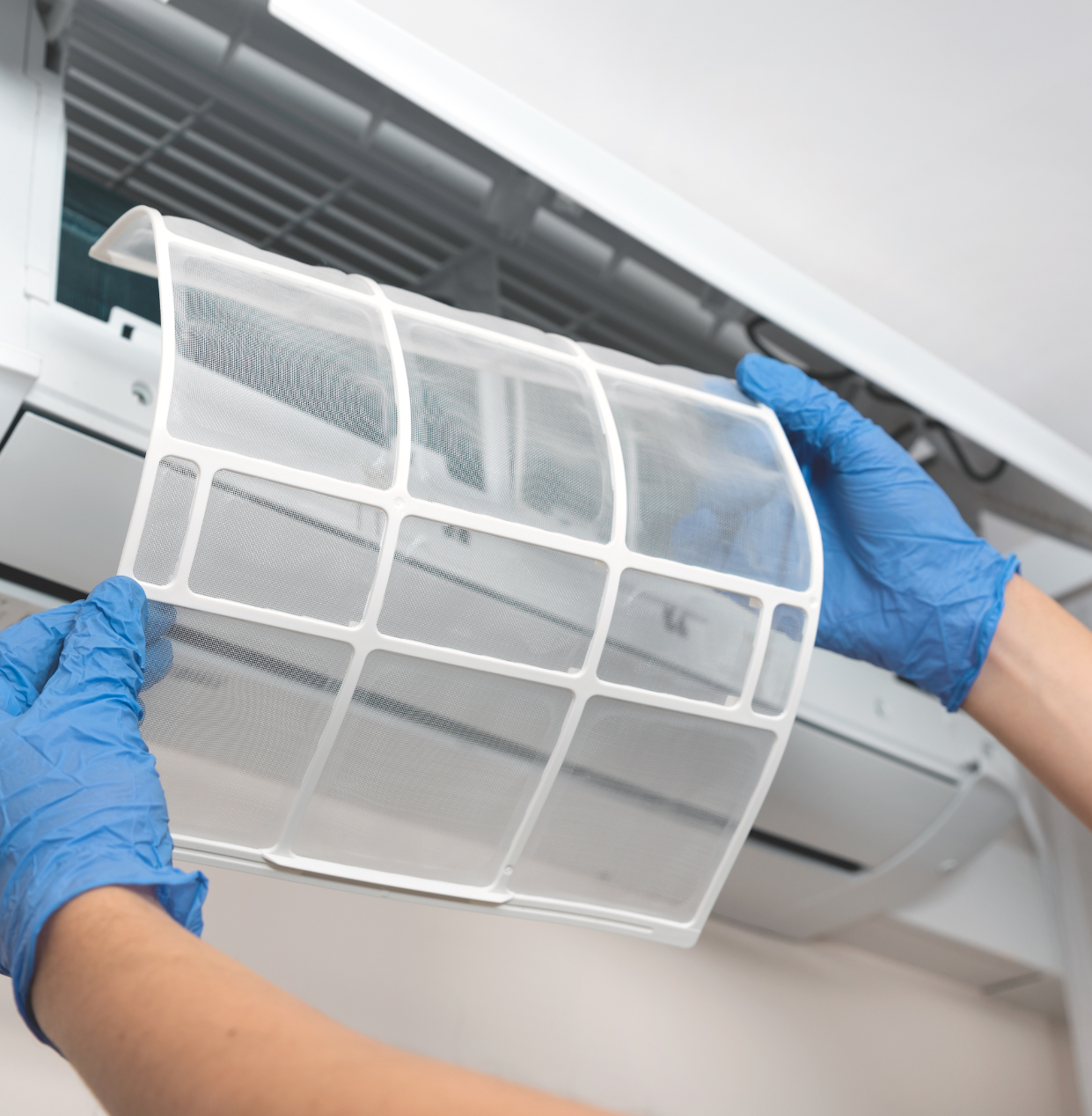
Airflow verification because cooling performance is tied closely to the volume of air moving over the evaporator coil. Coil inspection and cleaning where needed, since a dirty coil reduces heat transfer and increases run time. Drain line inspection because condensate problems can lead to water damage and safety shutdowns. Electrical checks around contactors, capacitor condition, and connection integrity to prevent intermittent failures. Refrigerant system evaluation through measurements that align with your unit type and manufacturer specifications, rather than guessing based on temperature alone.
One important point: refrigerant is not something I recommend homeowners “top off.” If there’s a refrigerant problem, it’s usually a leak or a component issue. Correcting it properly protects the system and avoids repeated recharge cycles that don’t address the real cause.
Common cooling complaints that maintenance helps prevent
Even with maintenance, not every symptom is preventable. But regular service often stops these issues from progressing until they become emergencies.
1) The “blows cold, but never feels cool” problem
This complaint is incredibly common during late spring and early summer. The air coming from vents may be cool, but the overall house temperature doesn’t drop efficiently. Causes I frequently see include reduced airflow across the evaporator coil, dirty filters, clogged indoor coil, or an outdoor unit that can’t reject heat because airflow around the condenser is restricted.
Maintenance helps because it focuses on clean components and confirmed airflow, not just “it starts up and runs.”
2) Short cycling that wastes electricity and humidity removal
Short cycling is when the unit turns on, runs briefly, and shuts off before it finishes the job. It can happen due to thermostat issues, improper airflow, sensor problems, or electrical/control instability. The result is comfort that feels inconsistent and higher electricity use.
If the system is short cycling, you may notice cooler moments followed by warm recovery. Humidity control also suffers because the coil may not run long enough to wring moisture out of the air.
3) Water in or near the indoor unit
When condensate drains get restricted, water can back up. In many homes, you might only notice it during heavy humidity days, when condensate production ramps up. Maintenance that includes drain inspection and clearing can prevent stains on the ceiling, water near the unit, and the unpleasant discovery that a safety switch had to protect the system.
4) Outdoor unit strain and “it sounds fine but it runs forever”
Kansas City heat days can push older systems to their limits. A unit may “sound normal” but still underperform if the condenser coil is coated, the fan motor is weak, or airflow is blocked by debris. Maintenance extends efficiency by keeping the heat exchange surfaces clean and by catching early mechanical decline.
When you should schedule service in Kansas City
Timing matters. You want the system ready before peak humidity and heat overload it. But you also need to recognize that not everyone can schedule months in advance.
A practical approach is to plan for service in late spring, ideally a few weeks before the hottest stretches. If you missed that window, scheduling at the first sign of issues is still worth it. Fixing a minor airflow or drainage problem in early summer is usually cheaper and less disruptive than waiting for full system failure during a heat wave.
For homeowners planning AC replacement or AC installation in Kansas City, maintenance history matters too. A system that has been neglected and repeatedly “patched” often ends up with expensive labor and long downtime. A clear understanding of past repairs and performance helps you decide when to repair and when replacement makes more sense.
How to tell if you need HVAC repair in Kansas City MO (now)
Maintenance reduces the odds of breakdown, but it doesn’t eliminate them. If you notice specific symptoms, it’s time to get professional HVAC repair in Kansas City MO.
Here are the cues I tell homeowners to take seriously:
- The system runs continuously without reaching the desired indoor temperature.
- You see water leakage, moisture near the indoor unit, or a persistent musty smell from the air handler.
- The air feels weak, uneven across rooms, or noticeably less cool than last year.
- You hear repeated clicking, buzzing, or loud rattling from the indoor or outdoor unit.
If any of those are happening, trying to “wait it out” usually makes the situation worse. Cooling systems that are struggling already operate at higher stress, and the longer they run inefficiently, the more likely you are to trigger additional failures.
Refrigerant and airflow: the two big levers for comfort
Homeowners often assume temperature issues are always refrigerant-related. Sometimes they are. But in practice, airflow problems can mimic refrigerant problems closely enough that the difference is hard to spot without proper measurement.
Refrigerant performance depends on correct charge, good seals, and a system design matched to your home’s load and ductwork. Airflow performance depends on filter condition, duct balance, blower health, and coil cleanliness. When either side is off, the system may still cool somewhat, but it may do it inefficiently and with poor dehumidification.
That’s why strong maintenance and credible repairs focus on both. A tech who only checks temperatures or only adjusts charge without verifying airflow and coil conditions is doing the job halfway. Your comfort is the product of everything working together.
Ductwork and registers: the unglamorous comfort factor
One reason maintenance sometimes “doesn’t feel like it helped” is that the problem is not inside the air conditioner itself. Ductwork and register setup can limit airflow and pressure balance. If a few vents are always blocked or a return is undersized, the system may struggle even with a freshly cleaned coil.
When I evaluate cooling complaints, I listen for patterns. Are only certain rooms comfortable? Do upstairs rooms run warmer? Does comfort change after filters get replaced? Those clues point toward distribution and duct performance as the bottleneck.
In some homes, small changes like making sure return pathways are unobstructed or using appropriately sized filters can improve comfort noticeably. In other homes, duct balancing and sealing work may be necessary. That can feel like a bigger project, but it often prevents repeated AC repairs because the system is never forced to compensate for a structural problem.
Filters, pets, and “comfort upgrades” that actually pay off
Filter choice is one of the simplest levers all4onekc.com AC repair in Kansas City MO you control, and it has trade-offs. A high-efficiency filter can improve air quality and reduce dust on components. But if it’s too restrictive for your system or installed incorrectly, it can reduce airflow and strain the blower.
If you have pets, household dust, or allergies, it’s common to use a filter that’s better than a basic fiberglass one. The key is matching it to your equipment. A good HVAC contractor can help confirm whether your system can maintain the expected airflow at the pressure drop of the filter you want to use.
Maintenance becomes more important as filter restrictions increase, because dirt loading can happen faster in high-pollen seasons or homes with indoor air sensitivities.
Outdoor unit care: what homeowners can do safely
The outdoor condenser fan needs airflow clearance. It also needs protection from direct obstruction that prevents heat rejection.
What I suggest is basic and safe: keep the area around the unit clear, remove leaves and grass clippings, and don’t hose the coil aggressively unless a professional recommends it for your unit. High-pressure washing can damage fins or force debris deeper into the coil structure.
If you live in a neighborhood where the unit gets buried in seasonal debris, plan for more frequent cleaning of the surrounding area. A maintained work space reduces strain and helps the unit perform efficiently when it’s working hardest.
Choosing the right HVAC contractor in Kansas City MO
You can do everything right as a homeowner and still end up unhappy if service quality is inconsistent. When you’re looking for an HVAC contractor in Kansas City MO for maintenance, repair, or AC installation in Kansas City, I focus on a few practical indicators.
A contractor who explains what they found, not just what they did, is usually the best bet. You want answers to questions like: Why was the airflow weak? Was the coil actually dirty or just blocked by limited airflow? Did the drain line show early slime buildup? Are there electrical signs of trouble that could lead to failure during peak demand?
You also want a company that won’t oversell. Good technicians can usually differentiate between “this needs attention soon” and “this is normal operating condition.” Overpromising repairs or suggesting replacement without clear evidence wastes money and time.
Maintenance frequency: how often is “enough” in Kansas City?
A lot depends on system age, usage patterns, and indoor conditions. Homes with heavy use, pets, lots of dust, or frequent filter changes that don’t fully control debris load often benefit from more consistent attention.
For many homeowners, annual maintenance before peak cooling season is a strong starting point. If your system is older or you notice recurring symptoms like weak airflow or musty odors, you may benefit from extra visits during the season.
The guiding principle is simple: if your system is operating harder than it should be, the time to service it is before it fails. Maintenance is cheaper than emergency HVAC repair.
A realistic “repair vs replace” mindset
If you’ve had multiple AC repair visits, you might be wondering whether replacement makes more sense. The decision is not just about the calendar age of the unit. It’s about repair history, the costs relative to replacement, and whether the system can consistently meet comfort goals.
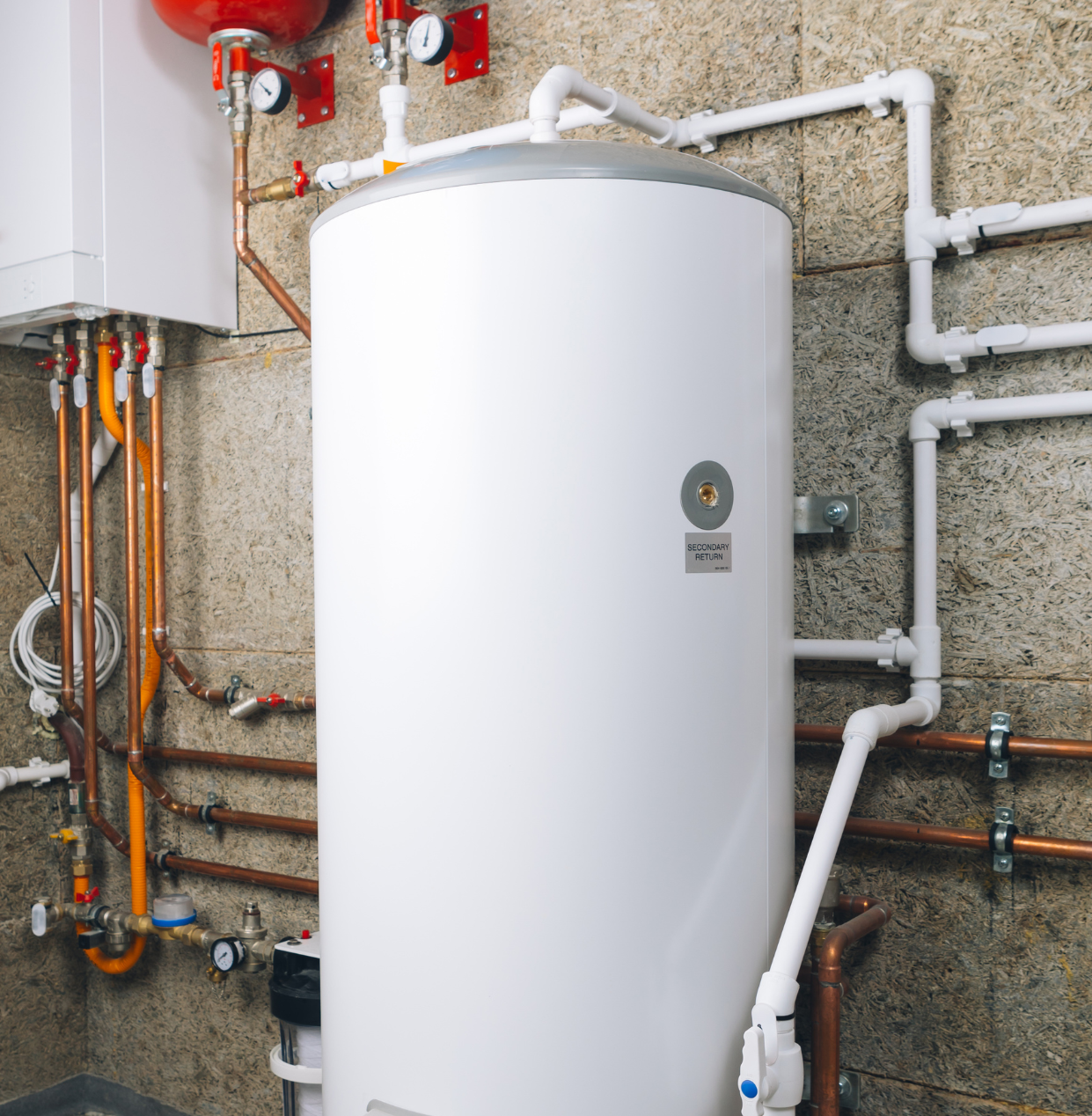
Common situations where replacement becomes worth discussing include repeated major repairs, frequent coil or compressor-related issues, and systems that no longer manage humidity well. Sometimes replacement can also improve comfort and reduce operating cost, especially if you’re moving from older equipment to a modern system designed for tighter performance and better control.
A reputable HVAC contractor can walk through the trade-offs honestly. I’ve seen homeowners feel relief after replacement because the constant “it’s okay for now” cycle ended. But I’ve also seen smart decisions to repair when the equipment was healthy and the issue was localized.
Final checklist you can use today
If you want a quick way to act right now, treat your cooling system like a living system. You’re monitoring performance, not just waiting for failure. Keep filters appropriate, confirm airflow paths are open, and schedule maintenance before peak conditions hit.
And if you’re seeing comfort problems, don’t assume it will improve on its own. In Kansas City, humidity and heat amplify small weaknesses. A unit with weak airflow today often becomes a unit with a bigger mechanical issue next month. Getting HVAC repair in Kansas City MO when you first notice symptoms is usually the most cost-effective move.
Whether you’re planning AC maintenance in Kansas City, preparing for AC installation in Kansas City, or tightening up your existing setup, the winning approach is the same: clean coils, reliable airflow, safe drainage, stable electrical operation, and service from a contractor who measures and explains. That combination is what delivers better cooling, steadier humidity control, and fewer surprises when summer is in full swing.
All 4 One Heating & Cooling
5828 Woodland Ave, Kansas City, MO 64110, United States
816-699-8366
[email protected]
Website: https://all4onekc.com/